You’ve walked past that empty corner in your living room dozens of times, knowing it needs the right lounge chair—but which one? The choice isn’t just about filling space; it’s about selecting a piece that amplifies your design vision while serving your actual habits. Between Eames classics, contemporary statement pieces, and transitional hybrids, the options overwhelm. Here’s how to cut through the noise and identify exactly what belongs in your home.
What Lounge Chair Styles Exist and Which Fits Your Home?
Lounge chairs represent distinct design movements, each carrying aesthetic DNA that shapes your interior’s character. Mid-century modern pieces feature clean lines and organic forms, while contemporary designs embrace minimalism and geometric precision. Traditional lounge chairs showcase ornate details and rich upholstery, contrasting with industrial styles that expose raw materials and metal frameworks. Your selection should align with existing architectural elements and furnishings.
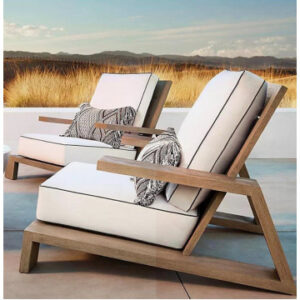
Match Your Chair to Your Daily Lifestyle and Comfort Needs
How you inhabit your space determines which lounge chair specifications merit investment. If you’re reading for extended periods, prioritize lumbar support and adjustable recline angles. For frequent entertaining, select durable upholstery with stain resistance. Remote workers need ergonomic features like proper seat depth and arm height. Consider swivel bases for multitasking environments, while stationary frames suit dedicated relaxation zones.
Find the Right Size and Placement for Your Room
Spatial dynamics between furniture and architecture dictate whether a lounge chair enhances or overwhelms your interior. Measure your room’s footprint and circulation paths before selecting dimensions. Position chairs to create conversation zones while maintaining 30-36 inches of clearance for traffic flow. Consider sightlines, natural light sources, and focal points. Scale proportions to ceiling height—oversized pieces require generous square footage to prevent visual congestion.
Choose Fabrics, Materials, and Colors That Work Together
Material selections forge the sensory foundation of your lounge chair experience while establishing visual cohesion within your design scheme. Consider durability requirements for high-traffic areas—leather withstands wear while velvet demands careful maintenance. Balance texture contrasts: pair smooth metals with nubby fabrics, or combine warm woods with cool linens. Select colors that either complement existing palettes or provide deliberate accent points.